The Wild Cure: Healing in the Heart of Nature
A personal journey exploring healing, presence, and the wisdom Nature offers when we truly listen.
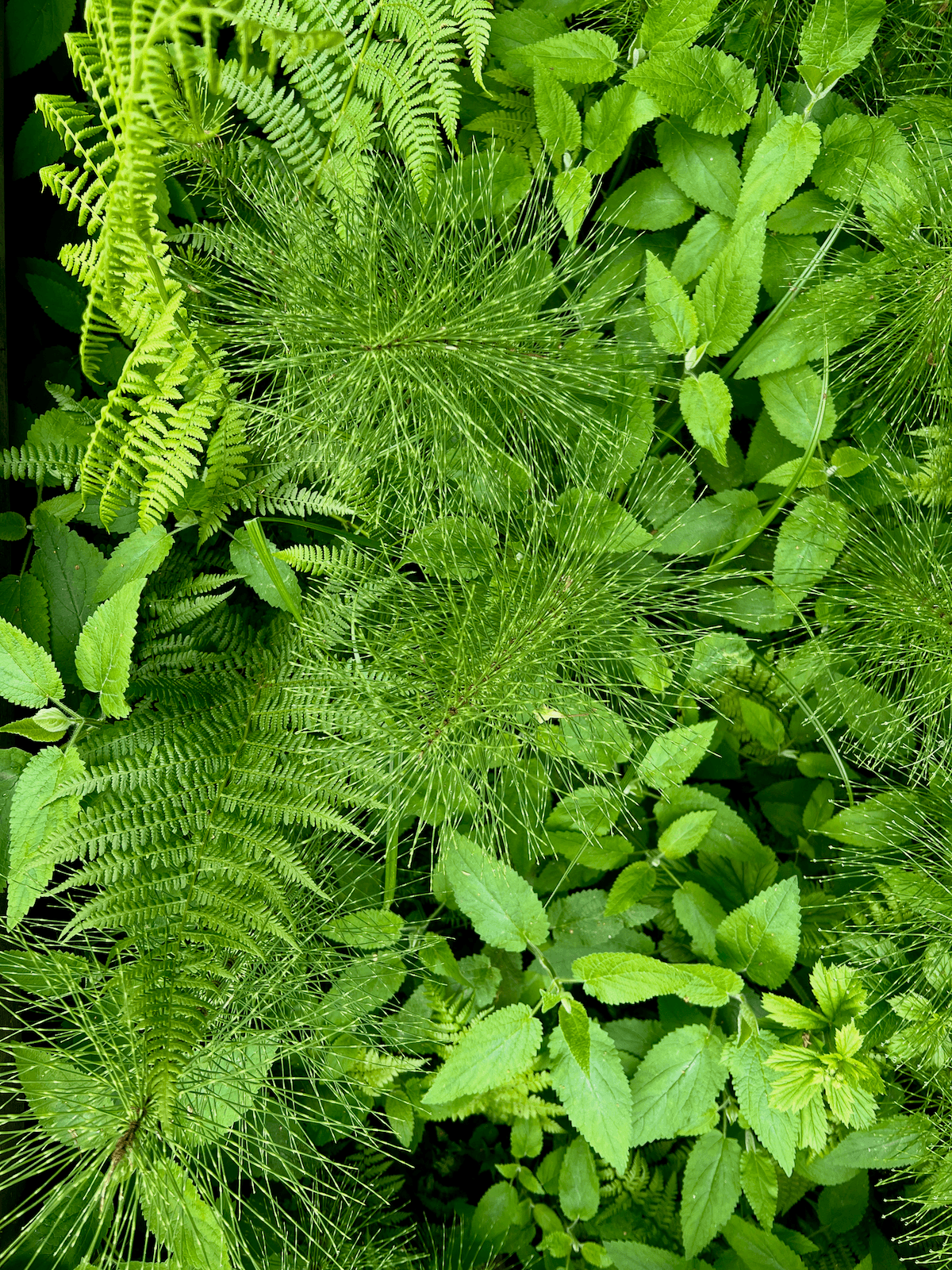
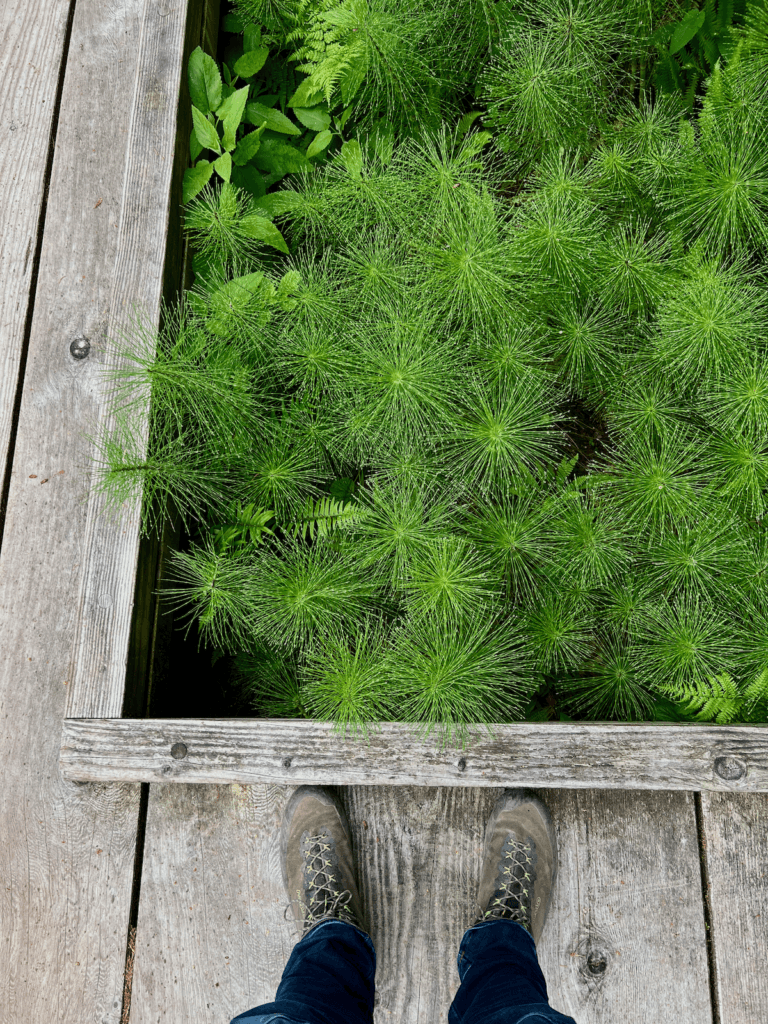
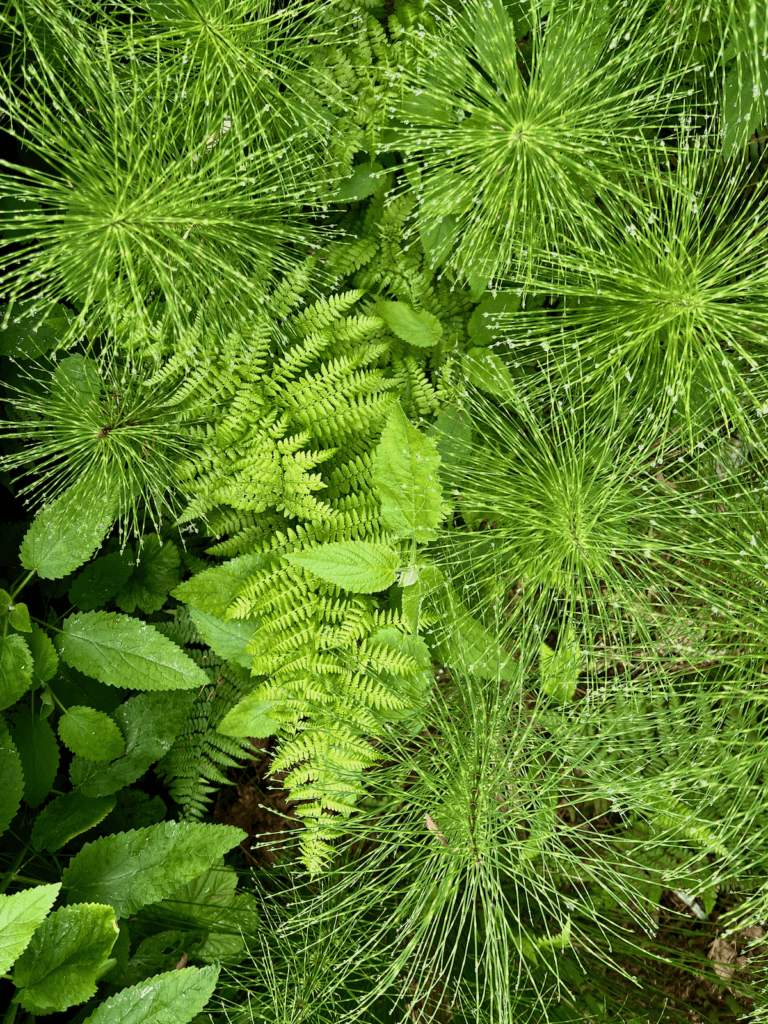
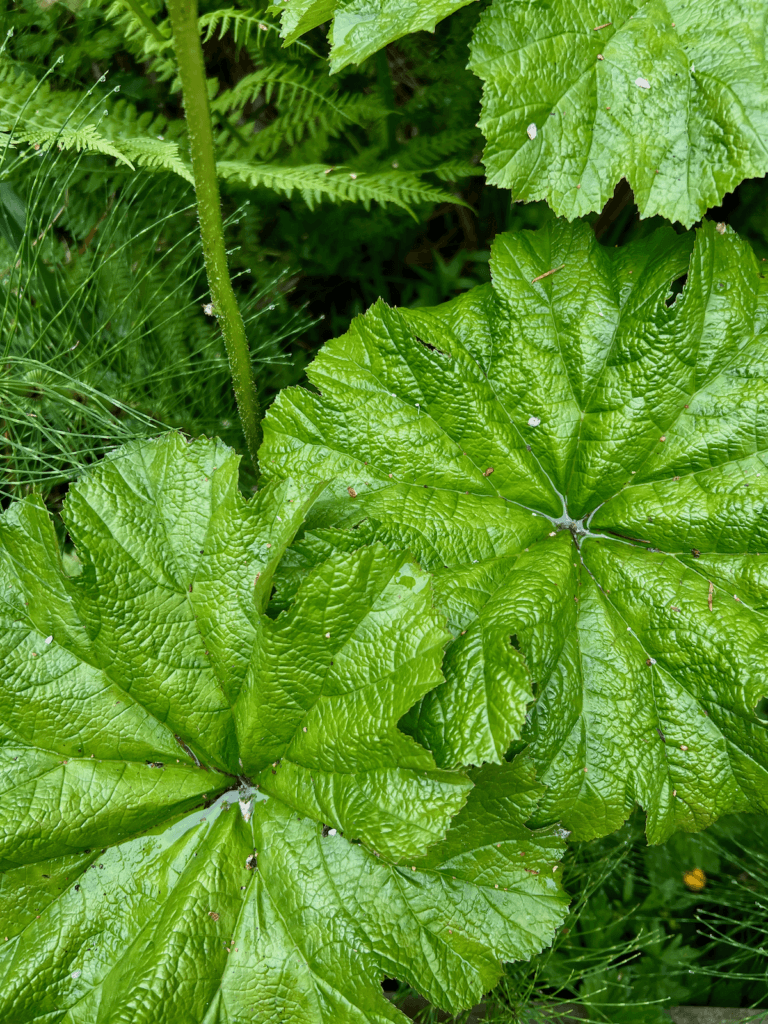
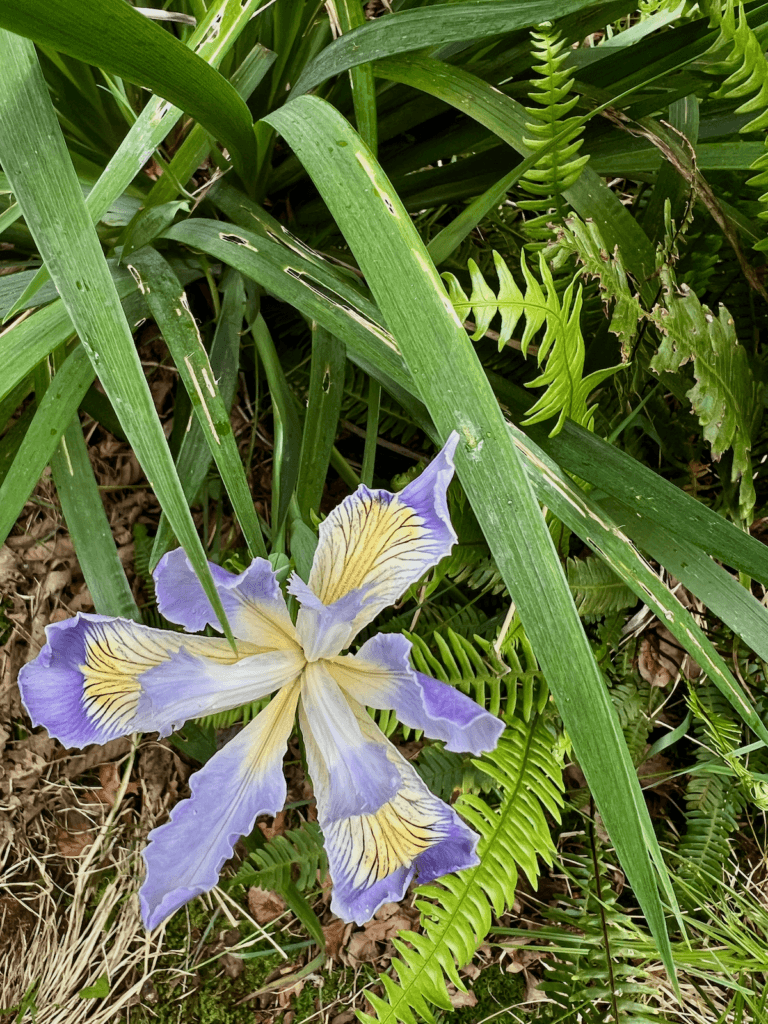
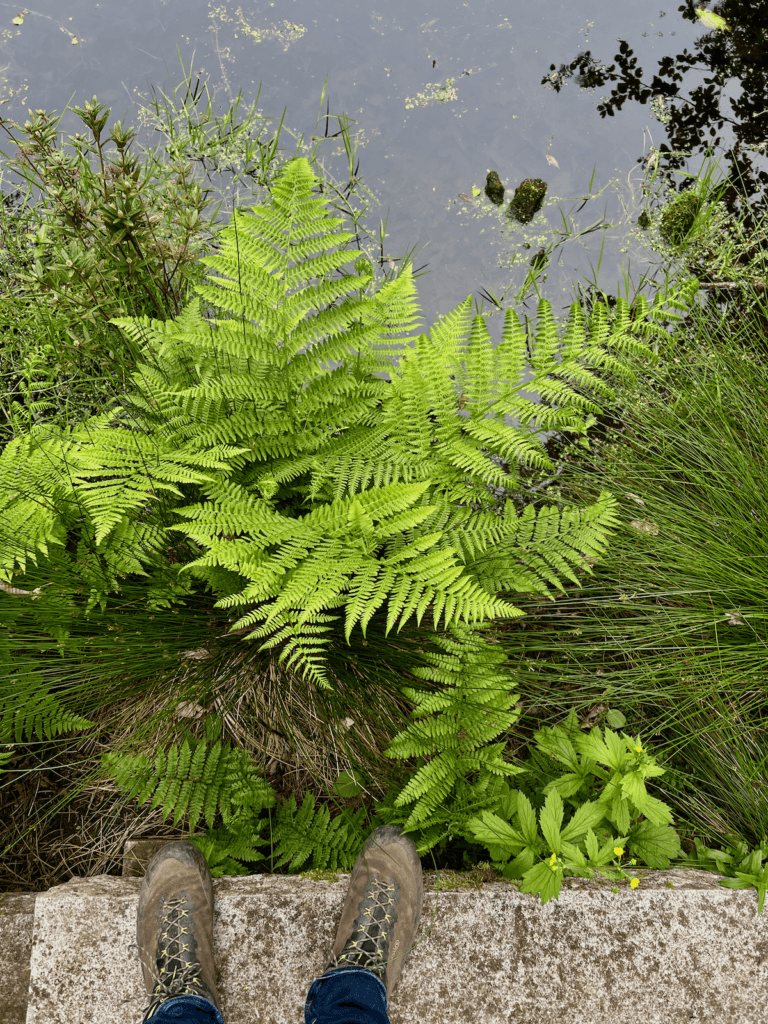
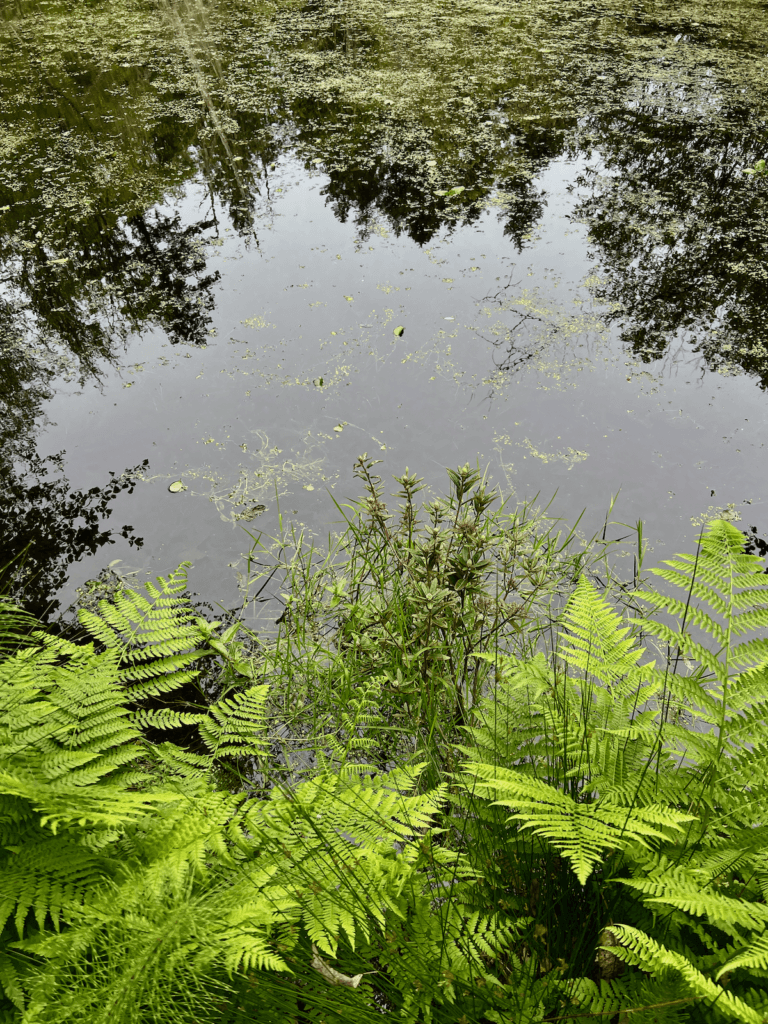
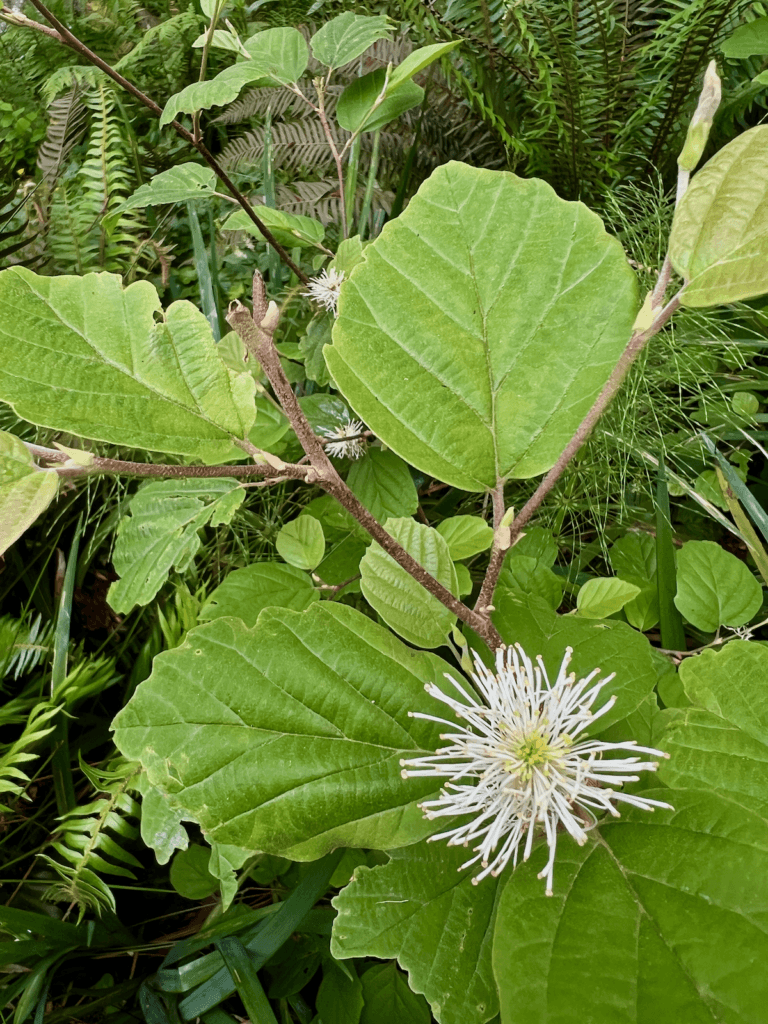
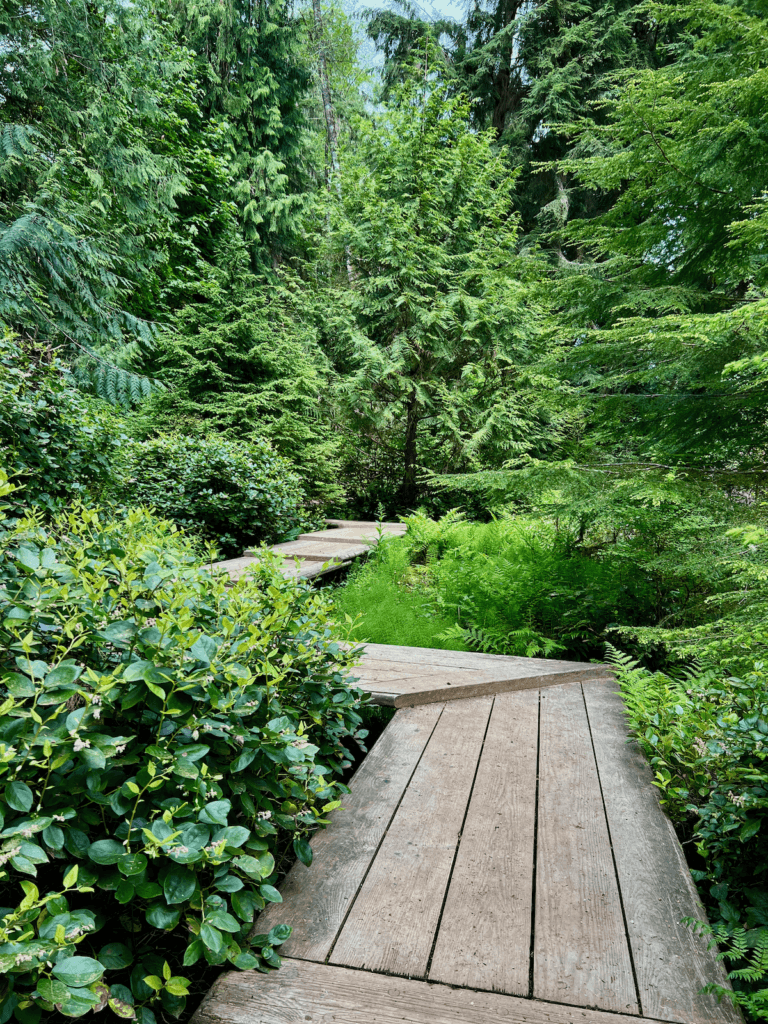
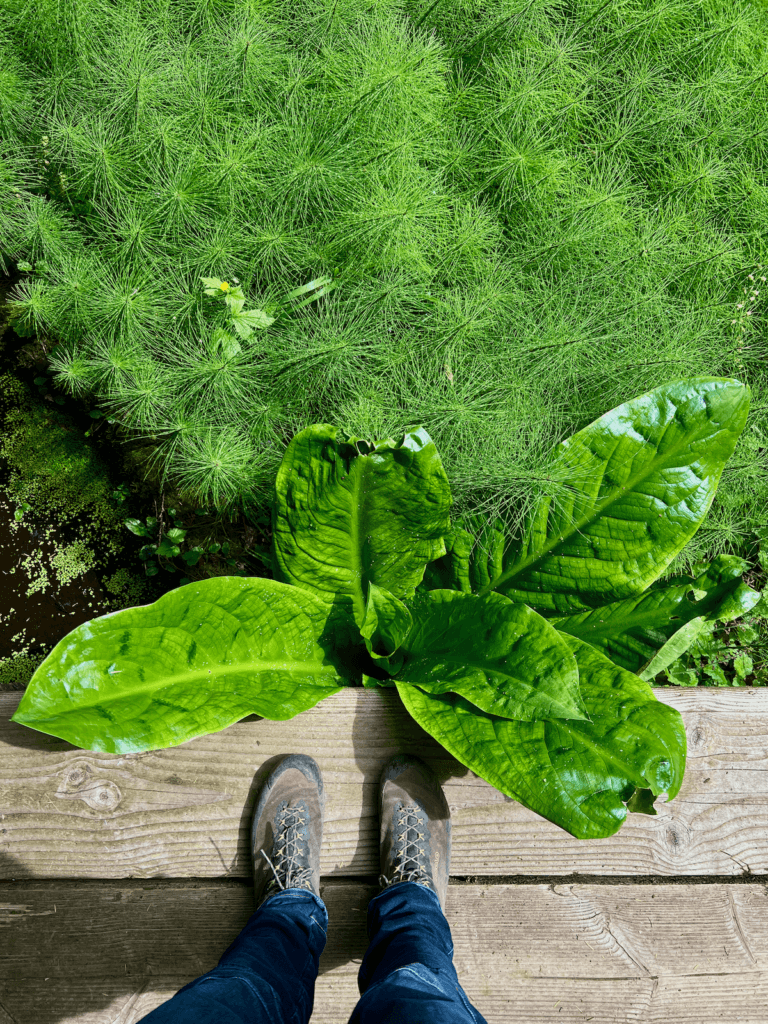
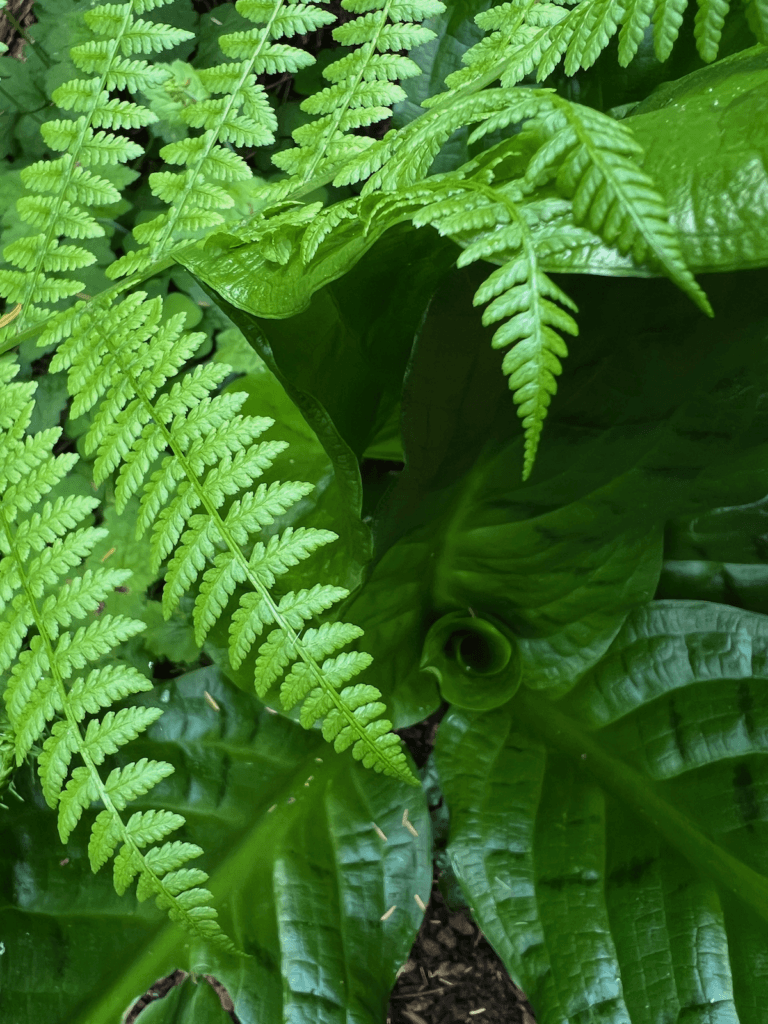
Before we begin: This writing is accompanied by photos of a nature walk through the stunning Bloedel Reserve on Bainbridge Island (near Seattle). I spent almost four hours wandering the beautiful spring version of the two-mile trail that weaves through 17 different botanical zones, using the Kinship Questions featured in my recent book, The Wild Cure: The Forgotten Medicine to Restore Calm, Clarity, and Connection. A truly healing place, that, to me, is the Heart of Nature. Enjoy!
Why is it that healing sometimes feels like a journey through darkness before you step into light again? Renewed, restored, energized, empowered.
Before I embarked on this deepened journey in the Natural World—nine years ago—I viewed healing as something simple. You went to a healer, doctor, therapist, or guide, and they offered you something: a massage, pills, a philosophy, a mantra, a practice, or an exercise routine.
But I see now how our culture often values quick solutions, designed to ease our pain just enough to keep moving. Yet, I found myself longing for something deeper—something more lasting.
And then my mind, heart, and spirit turned back toward the Natural World. I say “back” because, as a child, I felt deeply connected to the spirits of the land. The maple trees shimmering in the wind above my bedroom window offered refuge—a quiet companionship in a world where people sometimes felt confusing or distant.
The spirits taught me things and offered glimpses of possibility. Sometimes, it felt as if an older version of myself appeared, reassuring that anxious child: it’s okay to say yes to the Mystery, and to the adventure of being human.
But back to the path.
The key difference between the Natural World and all the modern fixes we use to attempt healing is that one is part of our biology, and the other is an extension of human curiosity and imagination, turned to tactics. Usually born out of an earnest want to help.
Which is why, in my deep intuition, I’ve found myself drawn less toward systems and structures, and more toward direct experience. And, at the same time, I love and respect so many people whose beliefs are deeply meaningful to them. They are generous, kind, and truly strive to live honorably. I see and appreciate the intellectual, emotional, and spiritual reasons for believing, and honor them.
These systems, after all, are deeply human. They’re born from our attempts to make sense of the mysteries of spirit and heart. Rumination is our way of making the abstract tangible. Sometimes, when we lean too much on mind over matter, we can feel a gap form between our wild Nature and society’s constructs.
I’m a mystic, not a philosopher.
For a long time, I felt a bit out of place for not reading all the great ideas people around me valued. Even as a young person moving through the traditions I was raised in, I wondered why I didn’t always feel them in my heart and soul. Later, in other communities, I still found myself questioning the rituals—not because they lacked meaning, but because I was searching for something I could feel firsthand. And maybe that’s okay—to be human is to mix external wisdom with our own lived experience, and sometimes get a little lost along the way.
And my deep truth is that, in our modern world, our minds are so stimulated that we sometimes unintentionally bypass emotional and spiritual growth. The challenge is to notice when we’re reaching for practices, organizations, or philosophies as substitutes for genuine connection with ourselves. Sometimes, we all find ourselves doing this. If you pause, can you see places in your own life where you reach for comfort or routine rather than sit with what’s real?
In each category, we can see how disconnection sometimes leads to pain—whether in spiritual communities, workplaces, or society at large. Yet most people simply strive to live with integrity and kindness, doing their best with what they know.
And it is all so…human.
We survived thousands of years because of built-in fear and intuition. We also survived because of love. Love to keep our babies safe, and to make sacrifices that defy instinct. We also survived by using our minds and logic to outsmart other creatures with far more physical strength.
To be human is to invoke all three pieces of the inner self in balance. Mind, Heart, Spirit.
And here I am—even as I try to balance mind and heart—slipping back into old habits of overthinking, or maybe preaching, when what I really want is to share and connect.
Back to the Natural World.
I used to believe that being a mystic, or tying my identity to Nature, meant I had to explain to everyone why Nature matters. My passion was real, but I can see now it was just a little off-center—close enough to guide me, but not always in excellent alignment with my heart.
Most of us know Nature is good for us. Most of us sense, deep down, how much we need moments of stillness in green spaces. But how often do we let ourselves truly receive what Nature offers, without agenda or expectation?
So, no more lecturing on the why. The ‘where’ is also somewhat obvious, although city dwellers sometimes lose their inspiration to find solace in a dandelion pushing through a crevice in the asphalt on the side of the road. But it is also fairly evident.
Where I want to go with this writing is to open up the possibility of how.
How do we truly engage mind, heart, and spirit in the Natural World—without falling into the traps of mental, emotional, or spiritual bypass?
Bypass can look like searching for the ‘perfect’ campsite, manicuring the lawn, chasing the ideal photo, or taking pride in identifying every bird and tree. It’s the rush of achievement, the satisfaction of having “found it.”
Modern culture feeds us endless images of perfect sunsets and landscapes, and it’s easy to slip into thinking we know Nature better than others, or that we’ve found something special just by being there. But Nature is always ready to surprise us—sometimes wisdom arrives when we least expect it. Can you recall a moment when the natural world shifted your perspective or softened your heart, just by showing up?
I know this pattern well—my early writing sometimes tried to inspire by showing you what I thought you wanted to see. But in doing so, I lost sight of my own connection.
Yet, even then, I found moments of true connection with Nature and myself. There’s beauty in that imperfection. Sometimes, when doubts crept in, I’d slip back into bypass—another post, another video, another attempt to prove something.
All of this has been learning.
Bypass isn’t all bad; it can help us survive or even get us closer to healing—if we recognize it for what it is.
Bypass is turning away from our own pain or joy, resisting our instincts, or letting the mind run the show. It’s a human response, and one I know well—I’ve been a pro at bypass for much of my life, and it’s still something I meet every day.
Healing, for me, has been about moving from bypass to awareness—learning to sit with what’s real. Healing can’t be forced. A healthy mind helps, but true healing lives in the heart and spirit, with the mind’s gentle curiosity as support.
If you’ve wondered about the photos woven through this writing, they arrived from moments of genuine inspiration on a recent healing Nature walk. I don’t take them for content anymore; they arise from presence and connection. Photography has always been a part of me, and now it’s simply another way my spirit speaks.
I’m still healing.
I share photo journeys on my Substack channel because Nature continues to assist my healing, week after week. I don’t claim to have all the answers—life is still a Mystery—but my experience with the spirits of the land is deep and real. Sometimes I enter the forest carrying pain, worry, or doubt, and by the end of the walk, it has moved through me so completely that I can’t even remember what it was. That is the mystery of integration. That is healing.
How?
How does this work? How can one find such profound integration and healing in Nature? Anywhere, and at any time. Sometimes, all it takes is a question: “What is this place showing me about myself right now?” Or, “What am I avoiding that the land is inviting me to notice?” If you’re curious to go deeper, I’ve written a book about this called The Wild Cure. It’s full of prompts and reflections to help you recognize your patterns of bypass and engage your own wildness as kin, not just as a visitor or tourist.
And when you start to see your own wild Nature and then embrace it regularly, everything changes.
The first step outlined in The Wild Cure is to say YES.
Yes to the wild of the land.
And yes to the wild within you.
On your commute to work, find something in the Natural World—trees on the horizon, a dandelion hugging a train platform, or a shrub you pass on the walk—and say yes to a renewed relationship with the Natural World. Even a pause of a few seconds is enough to begin a transformational shift in the way you see yourself as kin with the wild rather than a visitor.
Talk to your indoor plants, maybe saying, “Yes, I see you. Yes, I’m connected to you.”
If you’re up for a challenge?
I invite you to return to the top of this article and sit with each photo for a minute, asking yourself, “How can I say YES to this scene?” “How can I engage more deeply to be a part of the land here?”
Nothing profound is required. No inner performance. No bypass.
Simply say yes to investing a few moments in seeing your part in Nature. Maybe seeing your own Nature shine through.
Thanks for reading. I’ll see you out there.
In Kinship, Matthew
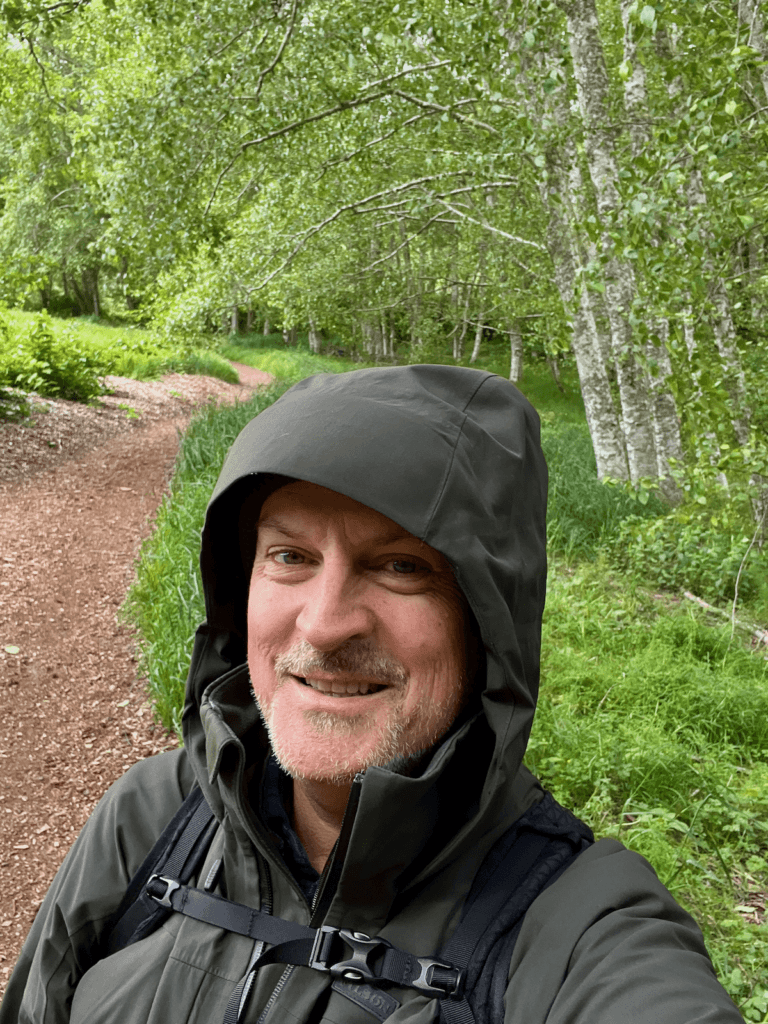
About Matthew Kessi
I’m a nature guide, writer, and mystic based in the Pacific Northwest — and a bridge between modern life and the wisdom of the Natural World.
I grew up on an Oregon farm where the land felt genuinely alive, and like many of us, I eventually learned to set that awareness aside. Much of my adult life has been about finding my way back — and helping others do the same.
Today I work with people navigating burnout, life transitions, and the quiet sense that something deeper is asking for attention. Some find their way back through my writing and Substack photo journeys (sign up below). Others step into private mentorship, where the Natural World becomes the guide for something more profound.
If something in this piece resonated, follow that instinct.
The Wild Cure is the best first step — a practical and soulful guide to recognizing your own patterns and reconnecting with the wild within you.