Why You Feel Disconnected From Nature — and How to Come Back
You’re not broken. You’re out of signal.
Most people who find their way here aren’t in crisis. That’s what makes it confusing. The career works. The responsibilities get met. From the outside, and often from the inside too, everything looks like it’s functioning.
And still there’s a dull, persistent sense that something isn’t landing.
Over the years I’ve sat with a lot of people at exactly this point, and the words come out in remarkably similar shapes:
- Daily life seems “okay,” but I can’t make this dull feeling disappear.
- There’s an uncomfortable decision or conversation hanging over me.
- I wear a brave face personally and professionally, but it’s not me.
- I’m held hostage to pleasing others and worried about what they think.
- I’m trapped in circumstances that aren’t authentic to me.
- My mind won’t turn off, even when there’s nothing left to solve.
One woman described it to me as the pain of separation — something she could feel physically if too many days passed without contact with the living world. Another said the thing underneath it all was simpler and harder: I don’t trust myself enough.
If any of that lands, I want to offer a reframe that took me most of my adult life to arrive at.
This isn’t a motivation problem. It isn’t a discipline problem, or a scheduling problem, or something a better morning routine will resolve. What you’re feeling is the cost of a relationship that’s gone quiet — one you were built for, and one that hasn’t gone anywhere.
You already love Nature. You may hike, garden, or walk the same trail every week. But there’s a difference between visiting the Natural World and belonging to it, and almost everything modern life teaches us keeps us on the visiting side of that line.
This page is about what put you there, and what it actually takes to cross back.
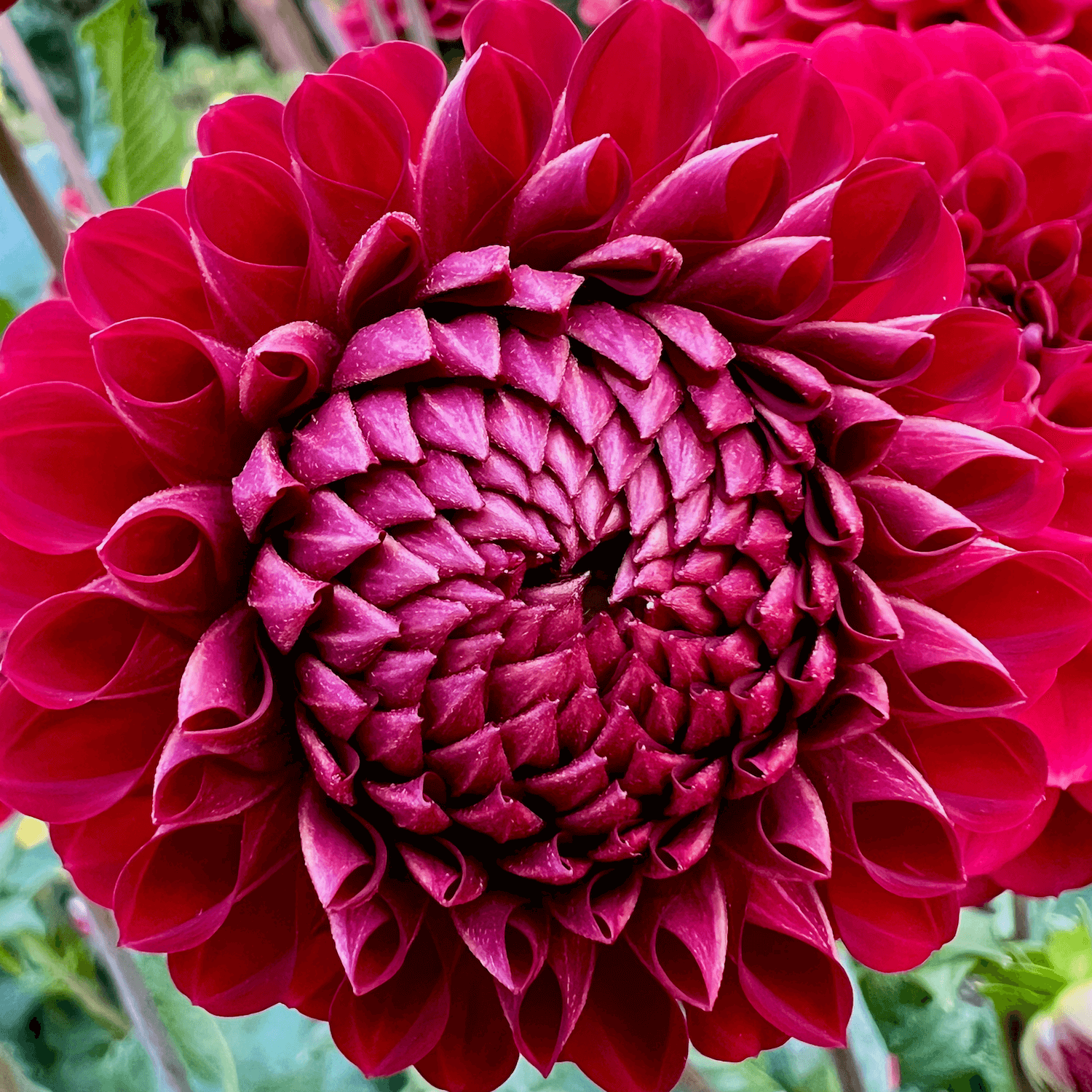
Head
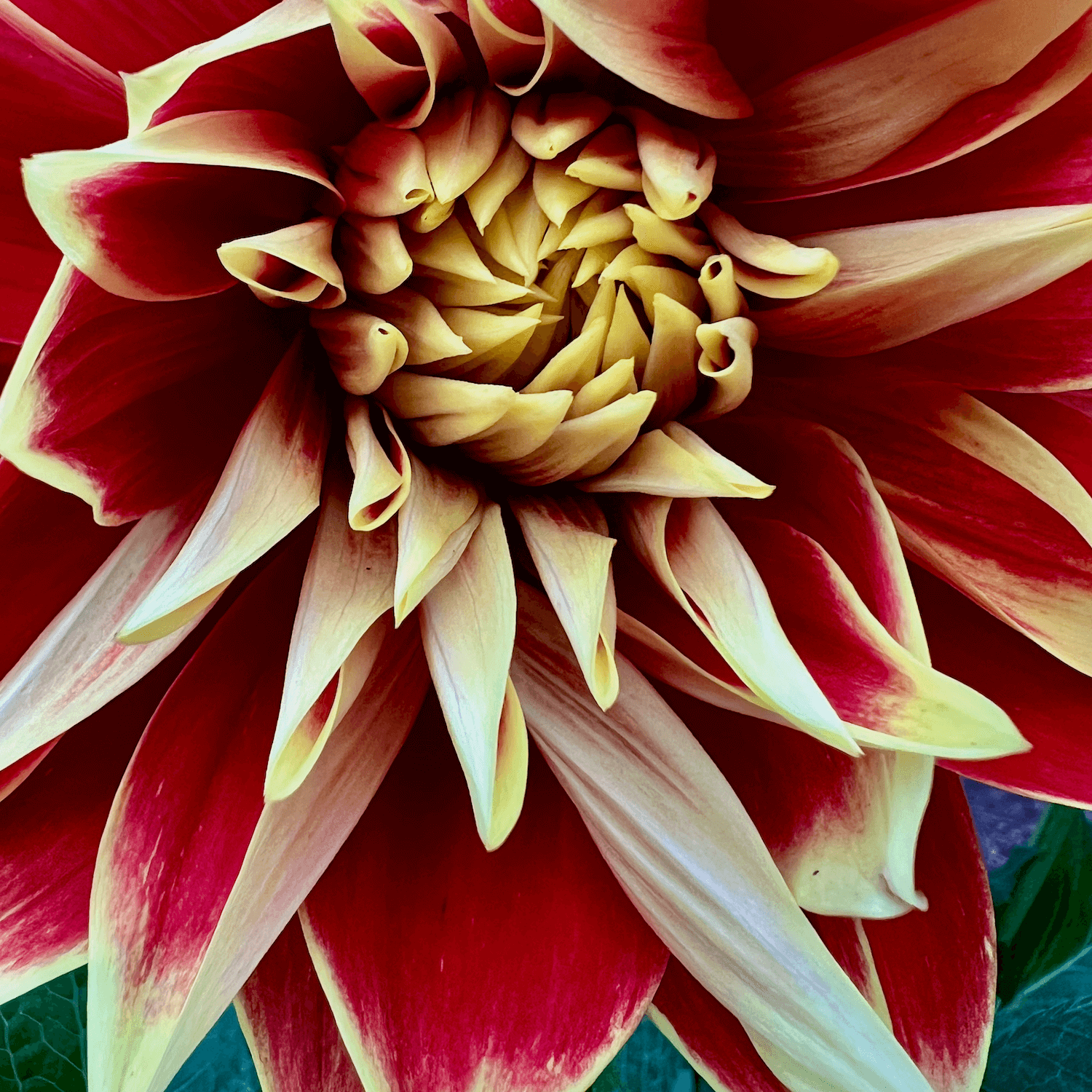
Heart
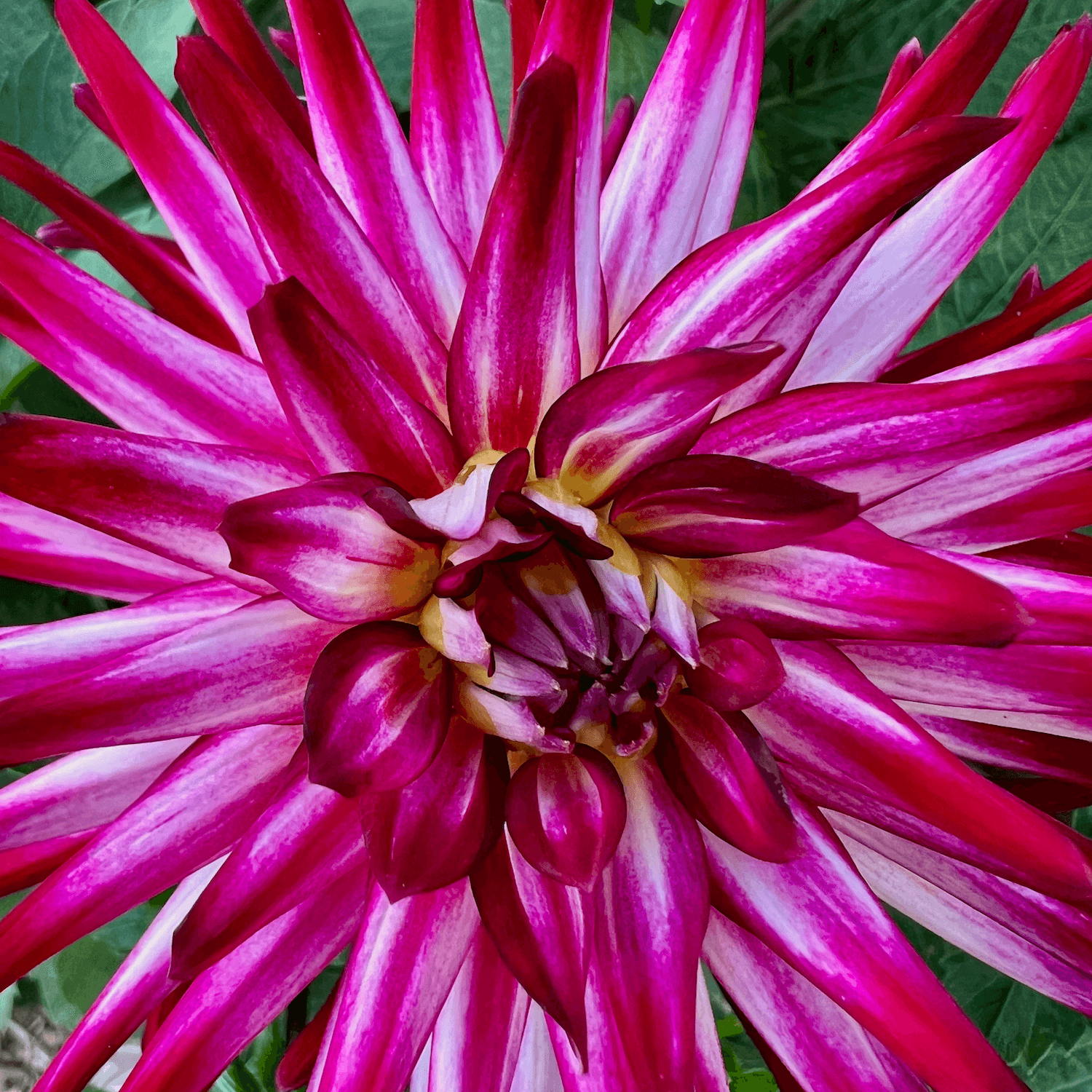
Spirit
What the usual fixes don’t reach
You’ve likely tried some version of this already.
An app. A yoga class. A sound bath, a spa weekend, a silent retreat. Maybe something stronger — plant medicine, a ceremony, a guided journey with real intention behind it.
Each one probably worked. That’s the part nobody says out loud. You felt the shift, and it was real.
And then daily life resumed, and within a week or two you were back where you started — now with one more item on the list of things that were supposed to help and didn’t hold.
Here’s what I think is happening. Every one of those is an intervention. Something you do to yourself, on a schedule, to produce a result. And interventions work exactly as long as you keep administering them.
What you’re missing isn’t an intervention. It’s a relationship.
Relationships don’t need to be scheduled. They don’t fade when you stop performing them. They’re simply there, running underneath everything, and the reason their absence feels like a dull ache rather than an acute crisis is that this is what missing relationships feel like.
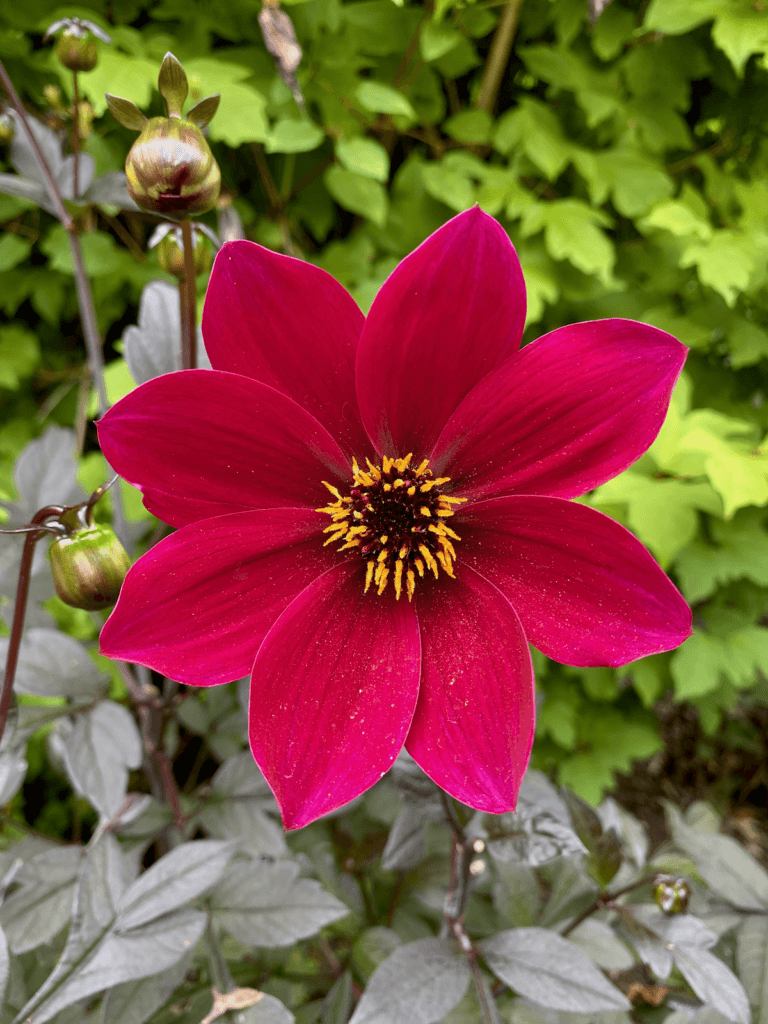
When you’ve kept this part of yourself quiet
I want to name something that comes up more often than you’d expect, usually about forty minutes into a first conversation, usually prefaced with some version of I don’t normally tell people this.
You talk to trees. Or you don’t talk to them exactly, but something passes between you and the land, and it’s never felt like imagination. You keep an altar, or a shelf of things you’ve picked up on trails. You notice synchronicities, and you’ve stopped mentioning them.
And you’ve filed all of it somewhere private, because you’ve done the math on what happens if you bring it up at work.
I hid mine for most of my adult life. As a boy on an Oregon dairy farm, I spoke to the trees out loud, and they answered — not metaphorically, not as a child’s game. That was simply my experience of the world. Then I learned it was the kind of thing that gets you looked at strangely, so I set it down and went into my mind instead, where it was safe. Twenty-five years in corporate aviation. Very good at thinking my way through.
What I’ve come to understand since is that hiding it costs more than the disconnection itself. You can be surrounded by people and still be profoundly alone with the truest part of how you experience being alive.
When you’ve spent your adult life carrying everyone else
This one clusters hard in midlife.
You raised the kids, or you’re caring for parents now, or both at once, or you built the career that held the whole household up. You were competent. You were needed. There was never a window where stopping was an option.
And now the shape of it is shifting — kids gone, a role ending, a diagnosis, a retirement — and underneath the practical questions is a much quieter one you may not have said aloud:
I don’t actually know what I want. I’m not sure I ever did.
That isn’t a failure of self-knowledge. It’s what happens when a person spends thirty years orienting outward. The signal that tells you what you want is faint from disuse, not gone — and it’s the same signal that goes quiet when your relationship with the living world goes quiet. They aren’t two separate problems.
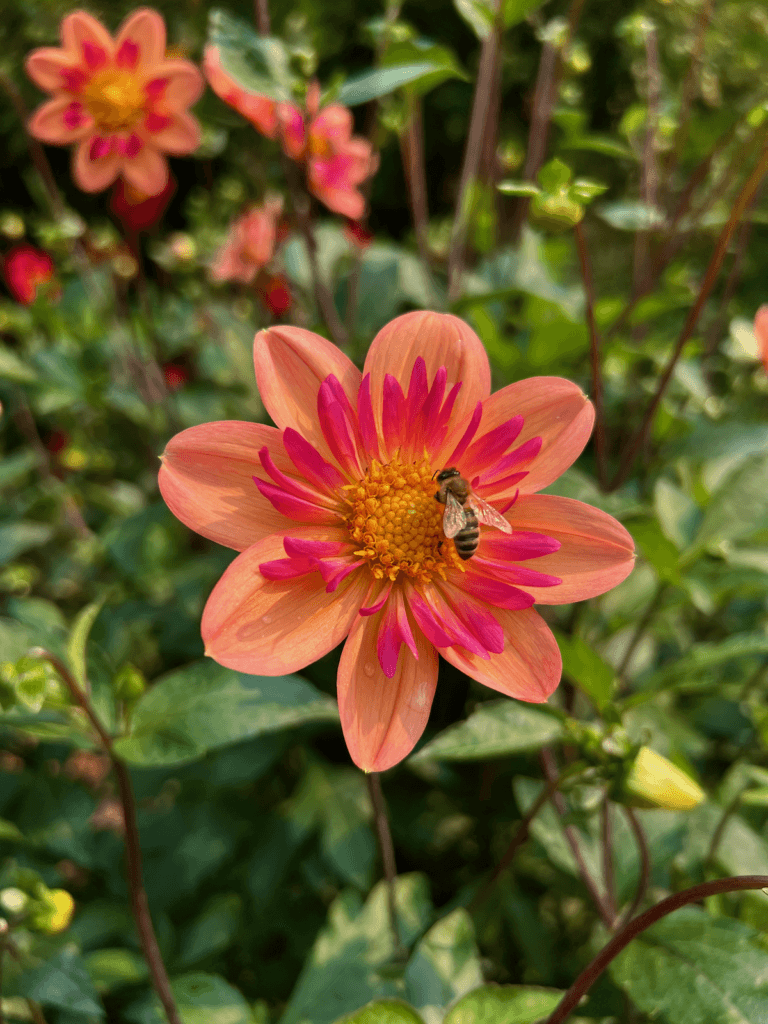
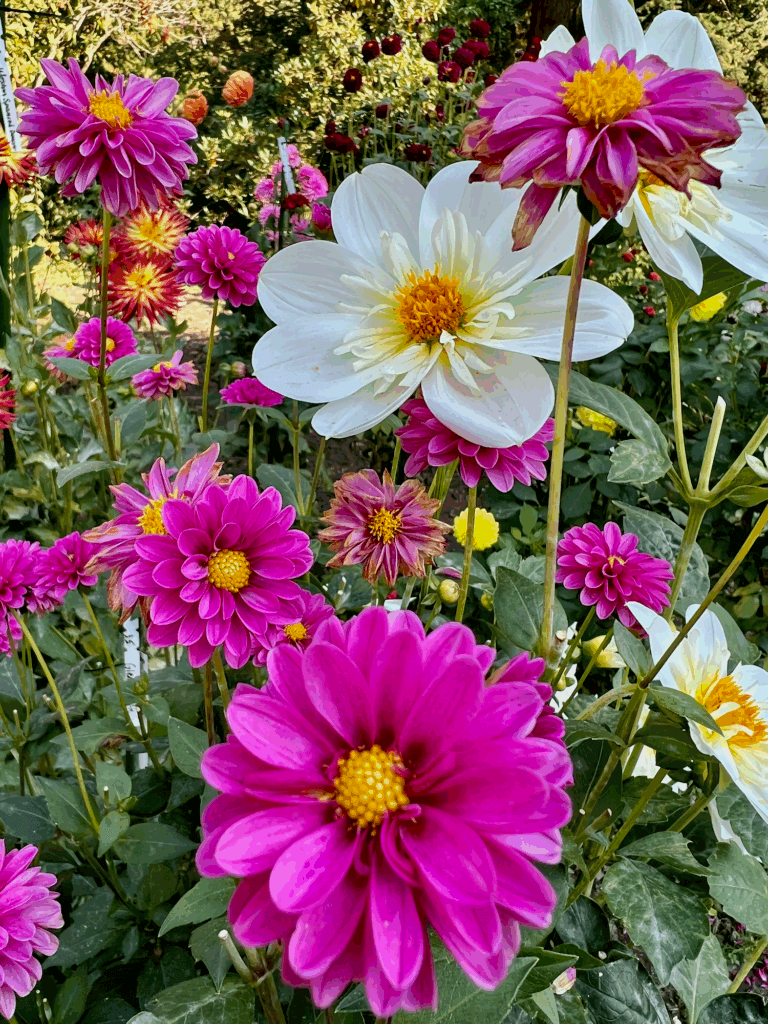
When you love Nature but still feel like a visitor
This is the one that surprises people, because they arrive assuming it doesn’t apply to them.
You hike. You garden. You chose where you live partly for the trees. You’d have said your relationship with Nature was one of the healthier things about you.
And yet — you go out, you feel better for an afternoon, you come home, and by Tuesday it’s gone. Nature functions as a place you go. Somewhere restorative you visit and then leave.
I know that gap intimately. Moving from a hectic life into real connection with my own wild Nature felt, for years, like swimming upstream against everything the day demanded. But the salmon don’t experience that as struggle. They follow an ancestral instinct home, every season, because that’s what they are.
You have that instinct too. Thirty thousand years of wiring doesn’t disappear in three generations of indoor living. It’s just been overridden by a life that never gives it a reason to switch on.
Small reminders, once a week.
If this is landing, my Substack is where I share reflections, photo journeys, and short stories from the Natural World — gentle invitations to slow down and notice more deeply. No commitment, no pitch. Just a weekly nudge back toward something you already know.
What the disconnection is actually pointing to
Everything above points somewhere, and it isn’t where most people assume.
You’re not lost. You’re not broken. There’s nothing here that needs fixing before you’re allowed to feel better.
You’re disconnected — from a kinship that was never conditional, never earned, and never actually severed. It went quiet. That’s all.
The reason a sunset can stop you mid-sentence, the reason moving water settles something no amount of reasoning touches, is that some part of you recognizes it. Not as scenery. As kin.
Belonging isn’t something you have to build. It’s your birthright, and it’s been waiting the whole time.
I wrote a book about this.
The Wild Cure: The Forgotten Medicine to Restore Calm, Clarity, and Connection is the long-form version of everything on this page — the disconnection, the framework, and the way back. It’s built to be used, not just read.
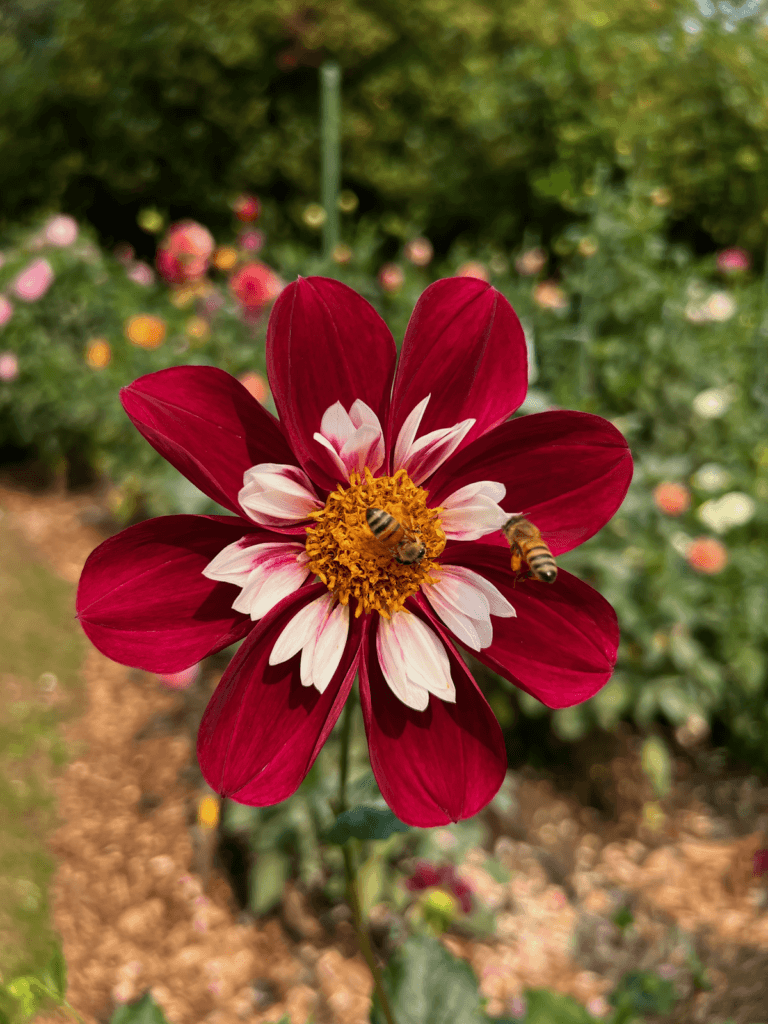
What changes when the relationship comes back
Not transcendence. Something more useful than that.
You start to see the root causes underneath the burnout, which means you start making different decisions rather than better-managed versions of the same ones. You become more present — to yourself first, then to the people around you. You find enough self-clarity to stay steady in the conversations that used to knock you sideways. And your actions start coming from purpose rather than obligation, which is most of the difference between a full life and a heavy one.
Calm, clarity, and a sense of belonging — not as peak experiences, but as the ordinary background of a Tuesday.
“A newfound sense of purpose and mindfulness—exactly what I needed in a chaotic year.”
Elliott
June 2024So what do you actually do about it?
There’s a practice.
It isn’t complicated, it doesn’t require wilderness or hours of silence, and you can begin it with a tree outside your window. Or tying a simple technique available anywhere: Color Spotting. Over years of guiding people through forests and coastlines I noticed the same six questions surfacing, again and again, whatever the setting. I call them the Kinship Questions™, and they’re the difference between observing the Natural World and participating in it.
That’s a different page, because it deserves its own room.
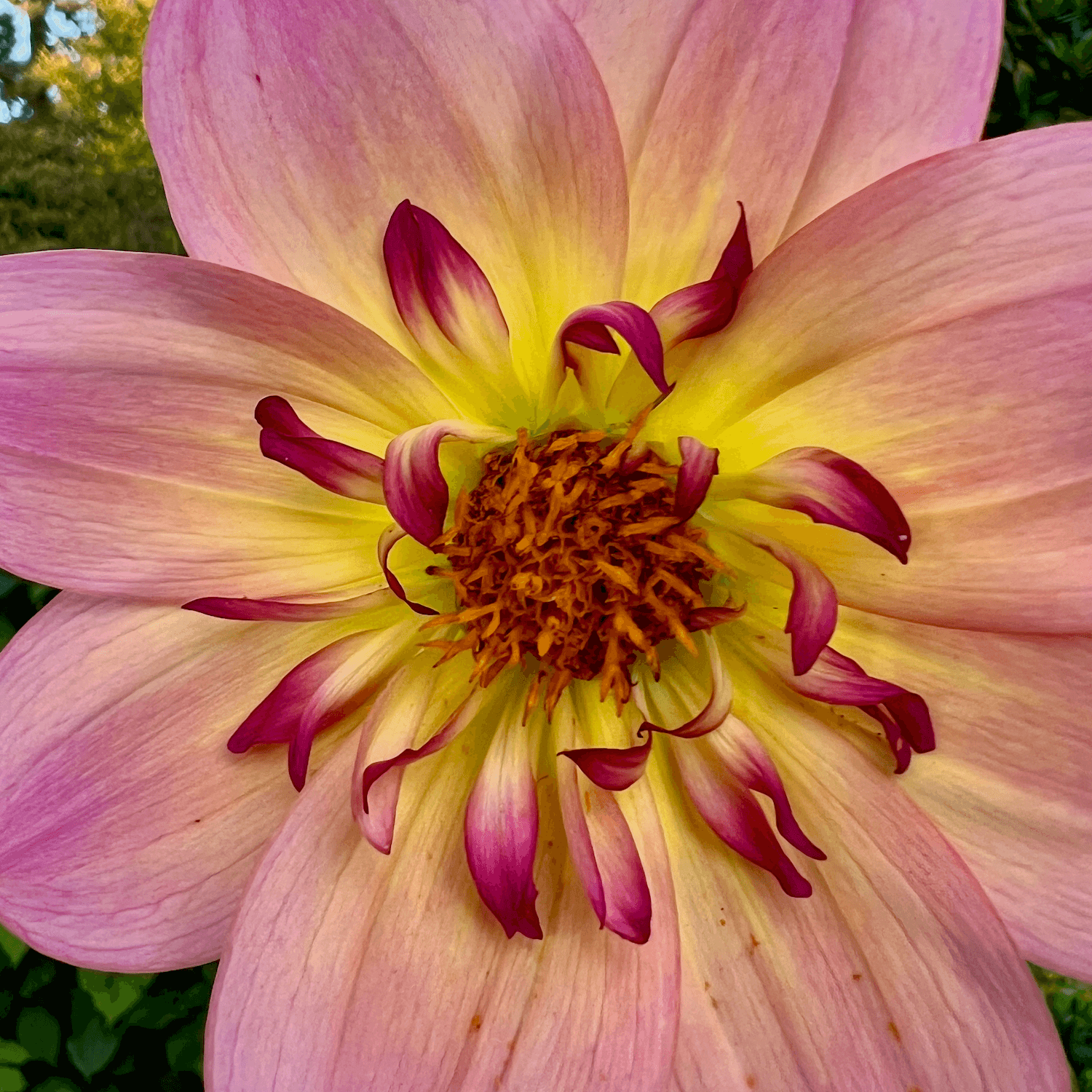
Belonging
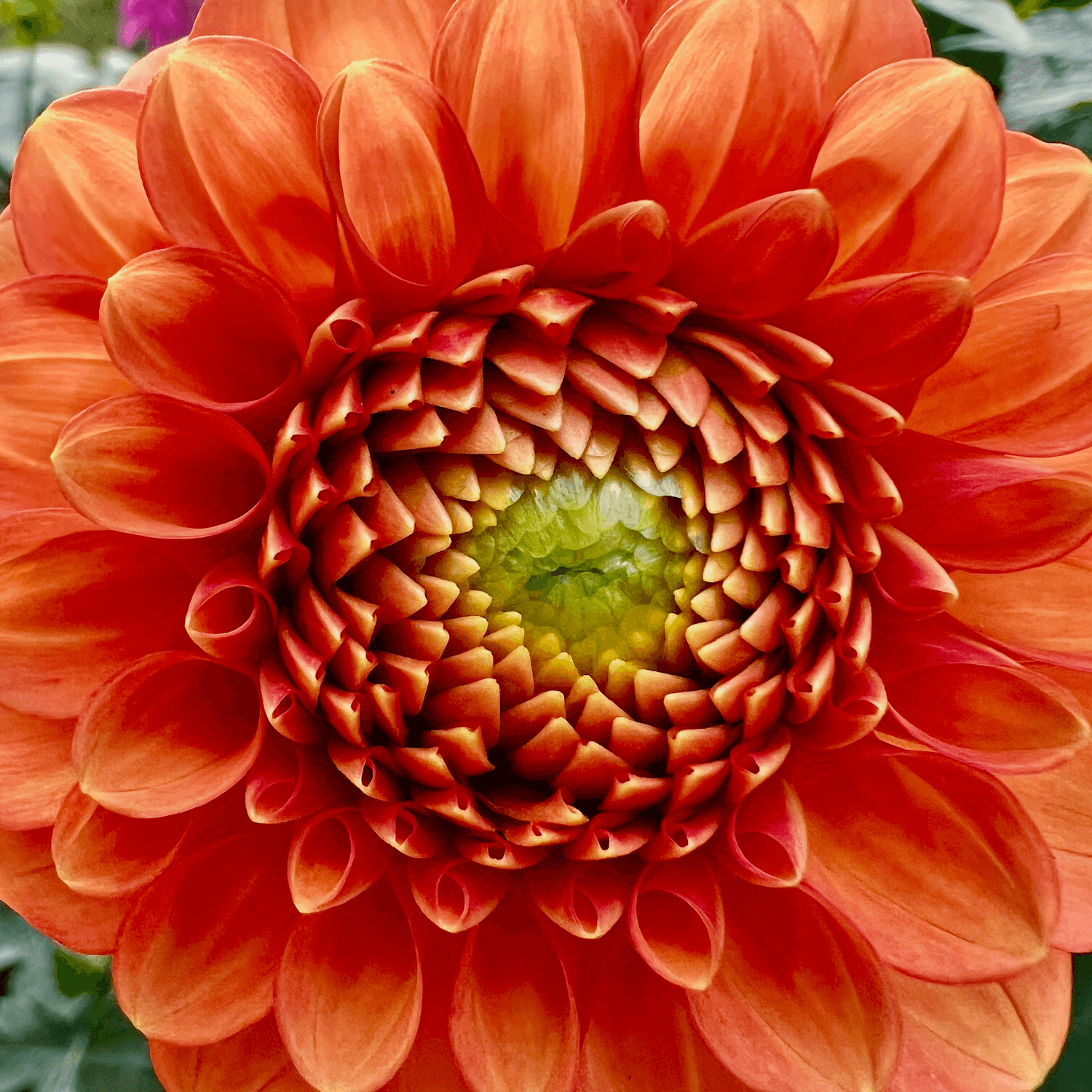
Resilience
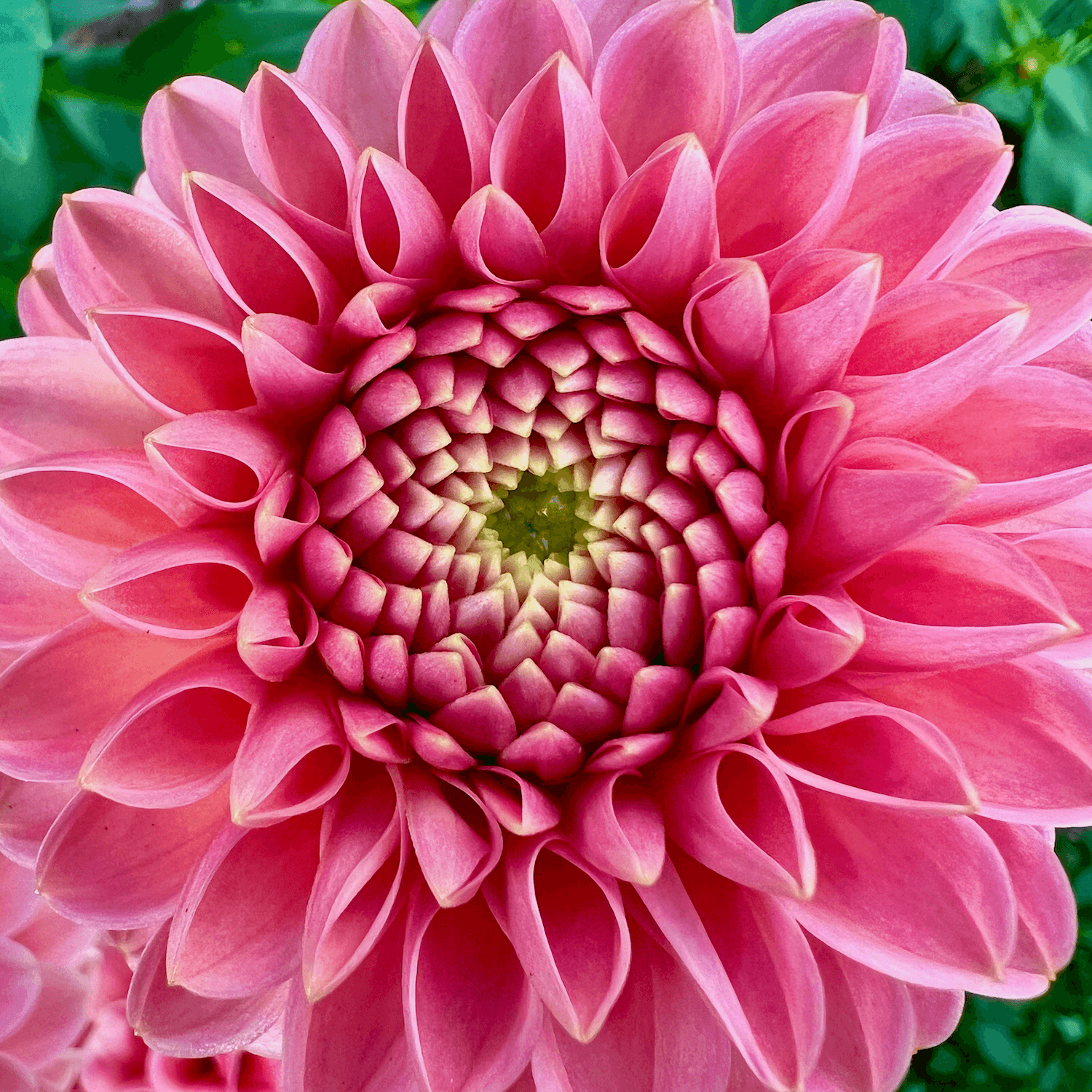
Purpose
Or start with a conversation.
If you’ve read this far, something here is probably describing your own life more closely than you expected. A Nature Alignment Call is a relaxed conversation — we talk about where you are, what feels stuck, and whether this work is a fit. No pressure and no obligation. Sometimes the most useful thing is simply saying it out loud to someone who won’t find it strange.
“I learned to see nature as an ally and let go of perfection.”
Claire
September 2023“I walked out of the woods with fresh hope, relieved of pain.”